Search by part number, product name or brand name
Showing all 6 results

Search by part number, product name or brand name
Showing all 6 results
In recent years, veterinary CT imaging equipment has become a critical tool for diagnosing and treating various medical conditions in animals. As veterinary practices evolve, more clinics are investing in this advanced technology to improve patient care, leading to quicker, more accurate diagnoses and ultimately better health outcomes for pets. In this article, we’ll explore what veterinary CT scanners are, their benefits, how they work, and why they are essential for modern veterinary practices.
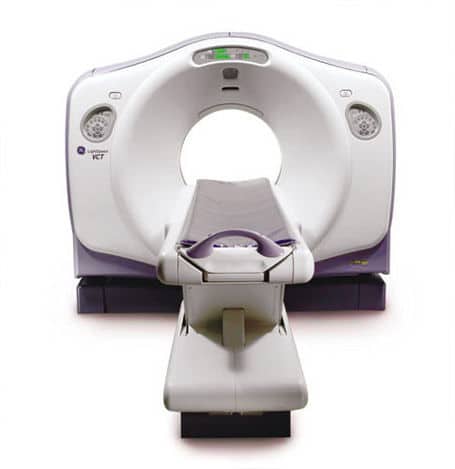
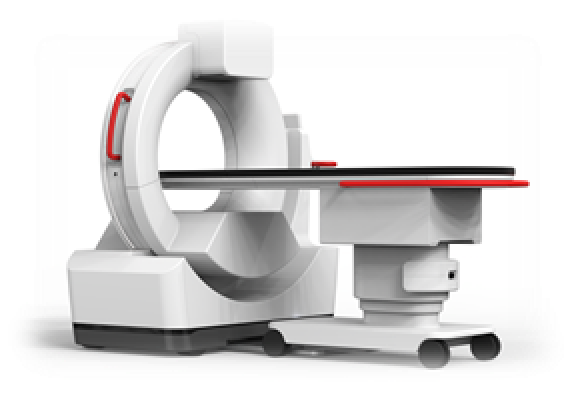
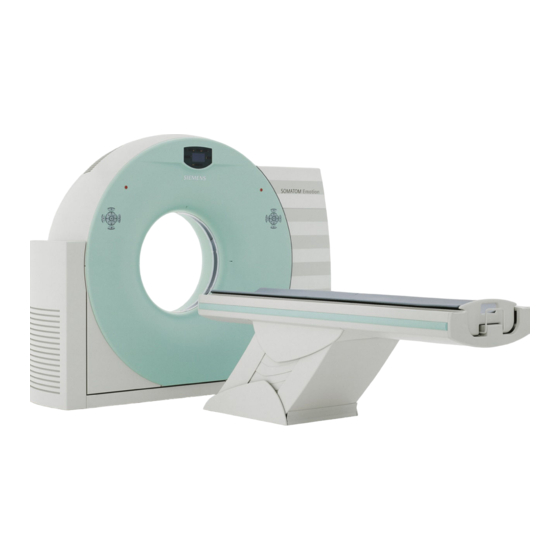
Computed tomography (CT) imaging is a non-invasive diagnostic tool that allows veterinarians to capture detailed cross-sectional images of an animal’s body. Unlike traditional X-rays, which only provide 2D images, CT scans offer 3D visualizations that can help identify issues that are otherwise difficult to detect. Veterinary CT scanners are specifically designed to accommodate the unique anatomical structures of animals, ensuring better diagnostic accuracy for a wide range of species, from small pets to large animals like horses.
Veterinary CT scanners have several specialized features tailored to the needs of animal patients:
1. Rapid Scanning Capabilities: Many veterinary CT scanners offer fast scanning, reducing the need for long sedation periods, which is especially crucial for anxious or older animals.
2. High-Resolution Imaging: Veterinary CT equipment provides high-quality images that allow veterinarians to detect even the smallest abnormalities, such as tumors, fractures, or internal bleeding.
3. 3D Reconstruction: The 3D images produced by CT scans enable a more detailed examination of the animal’s anatomy, offering a better understanding of complex health issues.
4. Versatile Applications: Veterinary CT imaging is used for diagnosing a wide range of conditions, from orthopedic injuries and respiratory issues to cancer and cardiovascular diseases.
Veterinary CT imaging offers numerous advantages that improve the overall quality of animal healthcare:
1. Accurate Diagnoses
CT scans allow for the early detection of diseases and conditions that might not be visible using other imaging methods. This enables veterinarians to make more accurate diagnoses, leading to better treatment plans and outcomes.
2. Non-Invasive
One of the key benefits of veterinary CT imaging is that it is non-invasive, which means it minimizes discomfort for the animal. Sedation or anesthesia is sometimes used, but the procedure itself does not require surgery or other intrusive measures.
3. Comprehensive Imaging
CT scanners provide clear images of soft tissues, bones, and organs, allowing for a more comprehensive evaluation of the patient. This is particularly useful in cases where multiple body systems may be affected, such as trauma or complex diseases like cancer.
4. Quicker Diagnosis and Treatment
With its rapid imaging capabilities, veterinary CT scans help veterinarians make quicker diagnoses, which is essential in emergency situations. Prompt diagnosis can be critical in cases where immediate intervention is needed, such as internal bleeding or severe fractures.
5. Enhanced Surgical Planning
For animals requiring surgery, CT imaging is invaluable in providing surgeons with precise images of the problem area. This leads to more accurate surgical planning and better outcomes, as it minimizes risks and ensures that the surgery addresses the specific problem.
For veterinary clinics, investing in CT imaging equipment can significantly enhance their diagnostic capabilities. Although the upfront costs may be high, the long-term benefits include improved patient outcomes, increased diagnostic accuracy, and expanded service offerings. Many practices that adopt CT imaging report increased client satisfaction, as pet owners appreciate the advanced care their animals receive.
Additionally, veterinary clinics offering CT scans can attract a wider range of clients and treat more complex cases, positioning themselves as leaders in veterinary care. With more pet owners seeking specialized services for their animals, having CT imaging capabilities can set a clinic apart from the competition.
When selecting a veterinary CT scanner, it’s essential to consider several factors:
1. Size and Space Requirements: Ensure the scanner can accommodate the types of animals treated at the clinic, whether small pets or large animals.
2. Imaging Quality: Look for scanners that offer high-resolution images to ensure the best diagnostic accuracy.
3. Speed and Efficiency: Fast scanning times can minimize sedation needs and improve workflow, which is especially important in busy practices.
4. Cost and Maintenance: Consider the upfront costs, ongoing maintenance, and any required software updates when evaluating a scanner for long-term use.
5. Training and Support: Veterinary staff should be adequately trained to use the equipment. Many manufacturers offer training programs and ongoing support to ensure that clinics can maximize the capabilities of their CT scanners.
By incorporating veterinary CT imaging into a clinic, veterinary professionals can stay at the forefront of medical advancements and deliver the highest standard of care for animals. As the demand for advanced diagnostic tools grows, veterinary CT scanners will play an increasingly critical role in veterinary medicine. Probo Medical offers new, like the JPI DeteCT Vet, and refurbished veterinary CT scanners for your practice. Contact us today for a no-hassle quote.